


Playing guitar well takes more than just picking up your instrument. Without solid guitar tips and smart practice routines, progress can stall fast. In this post, you’ll find clear advice on guitar playing skills, instrument maintenance, and learning strategies that fit real life. Stick with us to sharpen your sound and keep your guitar ready for every session.
Boost Your Guitar Playing Skills

Ready to take your guitar playing to the next level? Let's start with the essentials that every guitarist should master.
Master Basic Chords and Scales
Grasping basic chords and scales is your ticket to playing countless songs. Start with the major and minor chords. They form the backbone of most popular music. Practice transitioning smoothly between them. Consistency is key.
Learning scales is equally important. Major and minor scales are great for building solos and melodies. Try playing these scales up and down the fretboard. This will improve your finger strength and agility. Remember, even a few minutes a day can make a big difference.
Develop Your Strumming Techniques
Strumming is more than just moving your pick across the strings. It's about timing and rhythm. Start slow, focusing on your timing and gradually building speed. Use a metronome to help keep your rhythm steady.
Experiment with different strumming patterns. Practice both upward and downward strokes. This will add texture to your playing. Don't rush. Quality beats quantity. Your unique style will emerge with practice.
Explore Fingerpicking Styles
Fingerpicking adds a beautiful layer of complexity to your playing. Begin with simple patterns. Use your thumb for the lower strings and fingers for the higher ones. This style can bring out the melody in a song, making it sound fuller.
A great exercise is to practice fingerpicking a simple chord progression. Try to stay relaxed as you play. Tension can lead to mistakes. As you improve, explore different genres. Folk, blues, and classical music all have unique fingerpicking techniques.
Instrument Maintenance Tips

Keeping your instrument in top shape is crucial for great sound. Taking good care of your guitar will ensure it plays beautifully every time.
Keep Your Guitar in Tune
Nothing kills a session faster than an out-of-tune guitar. Invest in a good tuner. Check your tuning before every practice or gig. Don't forget about the intonation, which affects tuning across the entire neck.
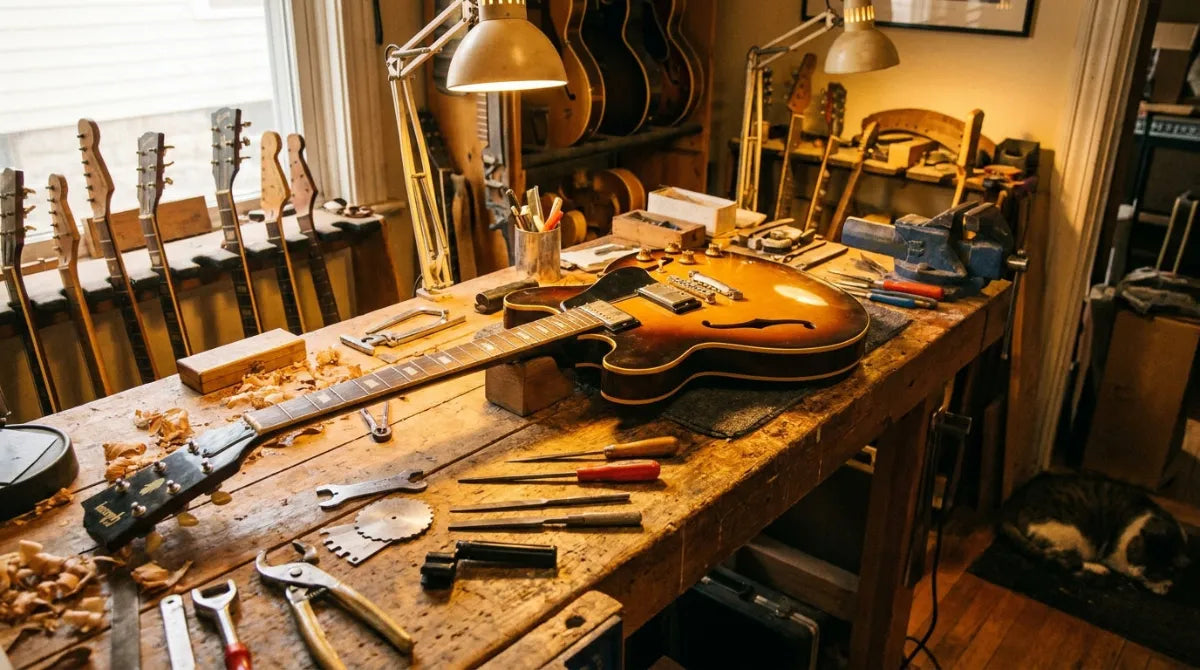
If your guitar doesn't stay in tune, it might need a setup. This involves adjusting the bridge, neck, and other components. Regular check-ups with a professional can make a world of difference.
Clean and Polish Regularly
Dust and grime can build up quickly. Wipe down your guitar after each use. Use a soft cloth to clean the body and strings. Periodically, give it a more thorough cleaning with guitar polish. This keeps your instrument looking and sounding its best.
Avoid using household cleaners. They can damage the finish. Stick to products made specifically for guitars. A clean guitar not only looks better but can also prevent issues like rust on your strings.
Store Your Guitar Safely
Proper storage is crucial to prevent damage. Keep your guitar in a case when not in use. This protects it from dust and accidental knocks. Avoid extreme temperatures and humidity. These can warp your guitar.
If you display your guitar on a stand, ensure it's stable. A small bump can lead to a big fall. Consider a humidifier if you live in a dry area. It maintains the wood's moisture, preserving its quality.
Effective Guitar Learning Strategies

Learning guitar is a journey. Here are some strategies to make your practice sessions more effective and enjoyable.
Build Consistent Practice Routines
Consistency powers progress. Set aside time each day for focused practice. Even 20 minutes daily can yield results. Break your practice into sections: warm-up, technique, and fun. This keeps you engaged and motivated.
Set Realistic Learning Goals
Goals keep you on track. Set short-term and long-term goals. Short-term goals could be learning a new song or mastering a technique. Long-term might involve performing live or reaching a certain skill level.
Celebrate small victories. They lead to big achievements. Adjust your goals as needed. Flexibility ensures you're always challenged but never overwhelmed.
Use Resources and Community Support
You're not alone in your guitar learning journey. Countless resources are available. Books, online courses, and video tutorials can provide guidance. Joining a community can also be incredibly beneficial.
Participate in forums, groups, and classes. Share your progress and challenges. You'll find support and advice from fellow guitarists. This sense of community can keep you inspired and on track.
Remember, every guitar player was once a beginner. Keep learning, keep playing, and enjoy your guitar journey.